


Published on May 5, 2025 | @Climate Pulse

The Misconception: Is Your AC Really Causing Climate Change?
When temperatures soar above 45°C in parts of Delhi, Rajasthan, and Uttar Pradesh, conversations about environmental issues intensify. Recently, I shared a video about these issues on social media, and the comments section erupted with criticism: “How can someone talk about this while sitting in an air-conditioned room?”
This common misconception deserves addressing. Many Indians believe air conditioners are the primary culprits behind these environmental issues, but is this really accurate?
Understanding the Real Causes of Environmental Change
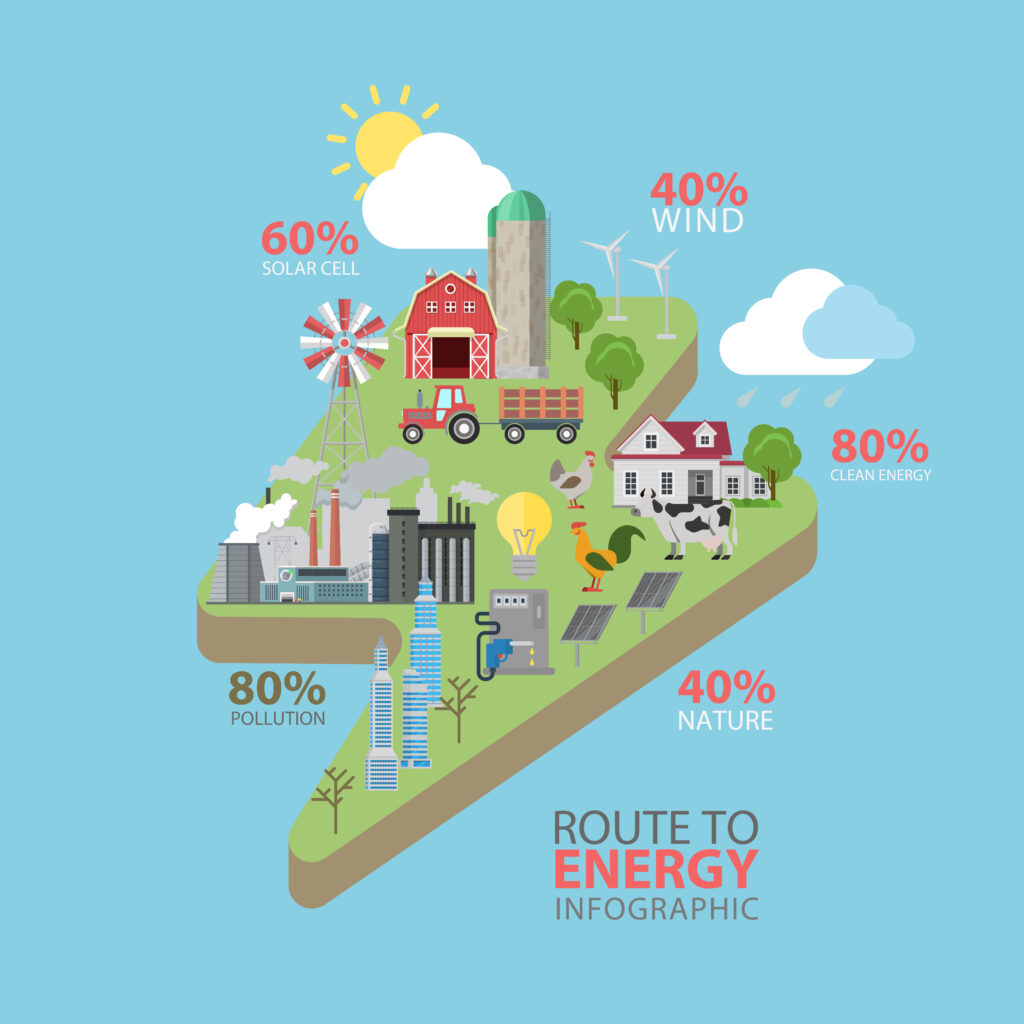
Let see comprehensive data on climate change solutions. The truth might surprise you:
- Air conditioning accounts for less than 10% of total electricity consumption in India.
- The biggest impact an individual can make? Family planning decisions.
- Local heat discomfort from AC exhaust is often confused with global climate change.
The misconception about ACs primarily comes from dense housing areas where one household’s AC exhaust flows directly into neighboring homes, creating localized heat. This creates a false impression that ACs are heating the planet.
The Urban Heat Island Effect: India’s Growing Challenge
India’s rapidly urbanizing cities face a unique challenge. In densely populated urban areas:
- Buildings block natural airflow.
- Concrete and asphalt surfaces absorb and retain heat.
- Lack of vegetation removes natural cooling mechanisms.

According to the Indian Meteorological Department, urban areas in India can be 3-5°C warmer than surrounding rural areas due to this “heat island effect.” Mumbai, Delhi, and Kolkata are among the cities most affected by this phenomenon.
The Greenhouse Effect: What Actually Causes Climate Change
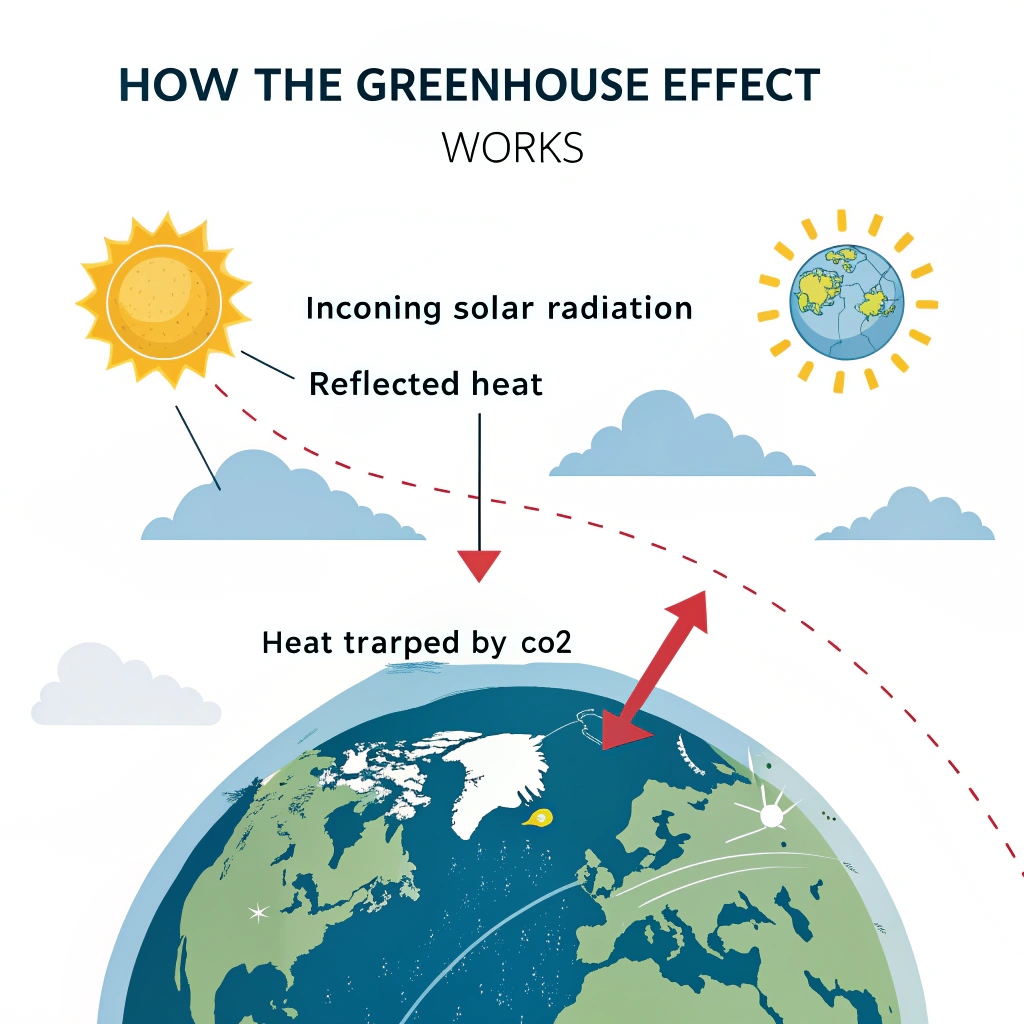
Environmental change isn’t about the warm air coming from AC units. It’s primarily caused by:
- Carbon dioxide emissions from burning fossil fuels.
- Methane release from agricultural practices.
- Deforestation reducing carbon absorption.
India is particularly vulnerable to environmental impacts. The Economic Survey 2023 reports that these changes could reduce India’s GDP by 2.5-4.5% by 2050 if global temperatures rise by 1-3°C.
Practical Solutions for India’s Environmental Challenge
Instead of misplacing blame on air conditioners, here are effective actions Indians can take:
- Use energy-efficient cooling (coolers instead of ACs when possible)
- Support reforestation efforts in your community
- Choose public transportation or carpooling
- Advocate for renewable energy adoption
Did you know? India has pledged to achieve net-zero carbon emissions by 2070 and aims to meet 50% of its energy requirements from renewable sources by 2030.
A Personal Note
I understand the desire to make environmentally conscious choices. However, blaming individuals for using ACs diverts attention from the real systemic issues that need addressing.
When my room requires cooling, I set the temperature to a moderate 29-30°C. But focusing on individual AC usage misplaces the blame and distracts us from addressing the primary contributors to environmental change.
Moving Forward: A Collective Responsibility
The solution to India’s climate crisis requires collective action at all levels:
- Government policies promoting sustainable development
- Corporate responsibility in reducing carbon footprints
- Community-level initiatives like urban greening
- Individual awareness and lifestyle adjustments
As citizens of the world’s most populous country, we have both the responsibility and opportunity to lead environmental action. Let’s focus our efforts where they’ll make the most impact.
What steps are you taking to combat climate change? Share your thoughts in the comments below!

