

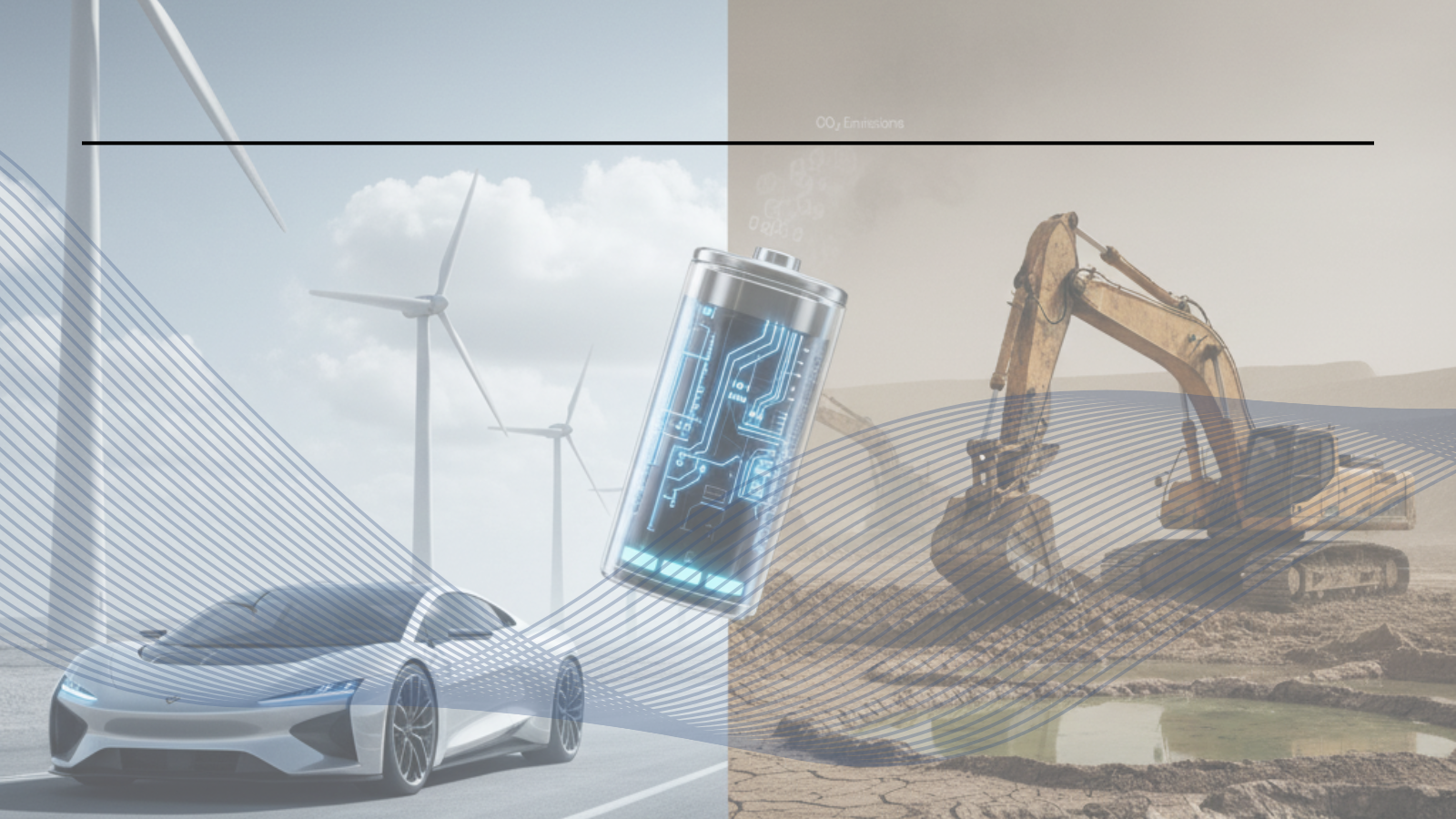
Electric vehicles won’t fix climate change alone. Learn about EV environmental impact, resource depletion, and why conscious consumption offers real climate change solutions.
Electric vehicles (EVs) dominate conversations about climate change solutions, marketed as the ultimate answer to our environmental crisis. Governments subsidize them, brands advertise them as planet-savers, and buyers embrace them as symbols of sustainable lifestyle choices. Yet the EV environmental impact tells a more complex story—one that reveals how simply switching from gasoline to electric won’t save us without addressing the deeper issue of conscious consumption.
The truth is, electric vehicle resources demand massive extraction of lithium, cobalt, and rare earth minerals. These processes drain aquifers, scar landscapes, and exploit vulnerable communities. Real climate change solutions require us to examine not just our technology, but our relationship with consumption itself and our disconnection from Earth.
Why Conscious Consumption Matters More Than Technology

Conscious consumption represents the missing piece in every climate change solutions discussion. History warns us through plastic’s journey—invented to save trees and natural resources, yet our unconscious consumption transformed it into an 8-million-ton-per-year ocean disaster.
Plastic waste didn’t emerge from the material itself but from humanity’s unexamined desires for convenience without consequences. EVs risk repeating this pattern. We celebrate them while ignoring how they perpetuate car-dependent infrastructure when sustainable lifestyle choices should prioritize public transit, cycling, and walkable communities.
Conscious consumption means questioning why we need what we buy. It means recognizing that no technological upgrade can heal a fractured mindset that equates happiness with ownership and progress with endless consumption.
According to peer-reviewed research published in theNational Institutes of Health database, lithium extraction consumes between 5 to 50 cubic meters of freshwater per ton of lithium carbonate, with some operations requiring up to 2 million liters of water per ton of lithium produced.
Real Climate Change Solutions Start With Consciousness

Effective climate change solutions must address the consciousness crisis underlying our environmental emergency. We treat Earth as an external resource to exploit, forgetting that we ARE Earth—our bodies composed of its elements, our survival inseparable from its ecosystems.
This disconnection drives our crisis. When we pollute rivers or destabilize the atmosphere through unconscious consumption, we harm ourselves. Earth will endure; climate change threatens human survival, not the planet. Mars and Venus persist as lifeless rocks—Earth could become another if we make conditions uninhabitable through our actions.
A sustainable lifestyle emerges not from buying greener products but from awakening to our fundamental interconnection with all life. This shifts every choice from compulsion to clarity.
Building a Sustainable Lifestyle Through Awareness

The Climate Change Solutions We Actually Need
Comprehensive climate change solutions require both technological innovation and consciousness transformation. EVs play a role, but only when society simultaneously addresses overconsumption, urban sprawl, and resource extraction through conscious consumption practices.
We need systems change: regenerative agriculture, circular economies, renewable energy infrastructure, and communities designed for human connection rather than car dependency. Most importantly, we need individuals awakening to how their choices ripple through interconnected systems.
Choosing Conscious Consumption Over Quick Fixes

Questions Before Solutions
Before implementing more technological fixes, we must pause for introspection. What drives our endless desires? Why do we demand perpetual growth on a finite planet? What emptiness are we truly trying to fill through consumption?
Self-inquiry births the right questions, which then hold corporations accountable, elect conscious leaders, and inspire collective action rooted in wisdom rather than fear. Movements like minimalism and regenerative agriculture demonstrate that living with less—consciously—sustains more than mindless abundance ever could.
EVs can play a role, but only when integrated with broader systemic change: robust public transit, cycling infrastructure, walkable communities, and dramatically fewer vehicles overall. Technology serves consciousness; it cannot replace it.
The Revolution We Actually Need
True sustainability requires a conscious revolution—a collective awakening to our inseparable unity with all life. This isn’t naive idealism; it’s evolutionary necessity. Until we transform how we see ourselves and our relationship with existence, no amount of “green technology” will restore balance.
The problem isn’t out there in factories or mines. It lives within our unchecked desires, our habitual patterns, our fractured sense of identity. The day we begin living with genuine awareness—questioning wants before acting on them—real transformation begins.
Climate change doesn’t threaten Earth. It threatens us. And we cannot be saved by smarter gadgets alone. Only by awakening to who we truly are—inseparable from the living world—can we create the future our children deserve.

